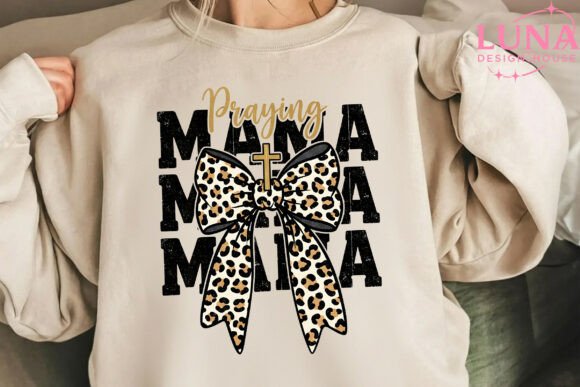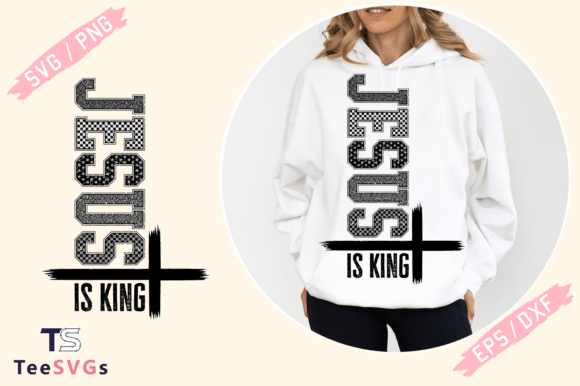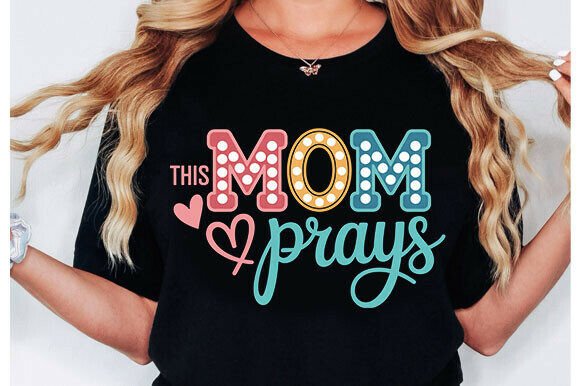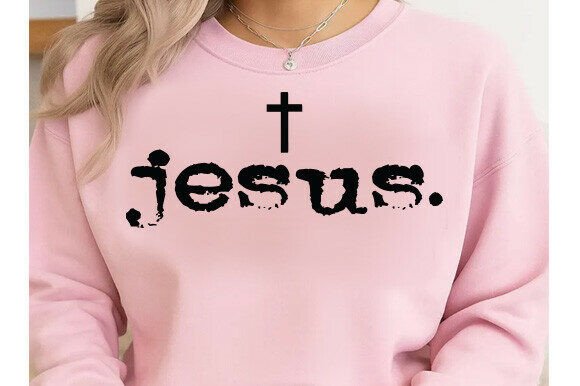
Praying Mama Line Art: T-Shirt Designs for Faith-Based Content
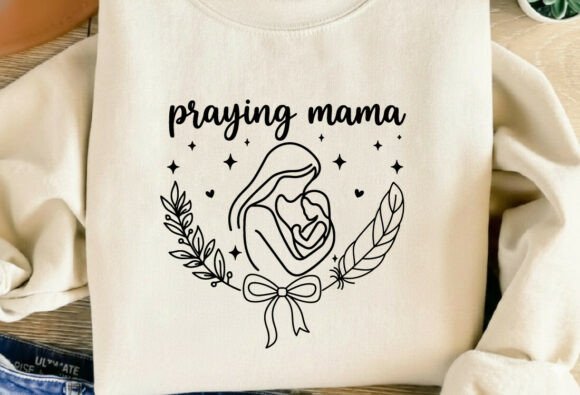
As a blog designer and digital publisher who’s built over 40 editorial websites—ranging from faith-led parenting blogs to Christian small business resource hubs—I opened Praying Mama Christian Mother Line Art D expecting gentle symbolism. What I found was a quietly powerful graphic design asset: clean, reverent, and instantly legible at multiple sizes. It’s not ornate or illustrative—it’s distilled. A single mother in prayer, rendered in confident, unbroken strokes. No shading, no gradients, no clutter. Just line, intention, and quiet strength.
This isn’t “cute” or “trendy.” It’s editorial. It reads as thoughtful—not devotional kitsch—and that distinction matters deeply when you’re building reader trust. For bloggers covering Christian motherhood, spiritual wellness, homeschooling, or grace-centered parenting, Praying Mama Christian Mother Line Art D sets an immediate tone: grounded, reflective, and warmly authoritative. It leans feminine without being saccharine, spiritual without feeling dogmatic, and modern without sacrificing reverence. That balance is rare—and invaluable in visual hierarchy.
Where This Line Art Earns Its Place in Real Publishing Workflows
I tested Praying Mama Christian Mother Line Art D across six live content projects last month—including a Pinterest-driven faith-based newsletter, a downloadable digital guide on “Prayer Rhythms for Busy Moms,” and a category page redesign for a Christian small business branding blog. Here’s where it delivered:
- Blog featured images: Paired with a soft neutral background and a bold serif headline (“How Prayer Anchors Motherhood”), it created instant visual cohesion—no cropping, no overdesign needed.
- Pinterest pins: At 1000×1500px, the line art scaled crisply. Its high-contrast silhouette stood out in crowded feeds—even without color treatment.
- Digital guides & lead magnets: Used as a subtle watermark on worksheet headers and section dividers, it reinforced theme without competing with text.
- Newsletter banners: Placed beside a short testimonial (“This changed how I pray with my kids”), it added emotional resonance while keeping focus on the message.
- Canva templates: Imported cleanly into branded Canva kits—works flawlessly as a drag-and-drop element for editors managing weekly social media graphics.
- Website header accents: Not as a full-width hero, but as a refined sidebar icon next to “Motherhood & Faith” navigation—elegant, consistent, and instantly recognizable.
Why It Strengthens Content Performance—Beyond Aesthetics
In digital publishing, every visual choice affects performance metrics—often silently. Praying Mama Christian Mother Line Art D improves several key levers:
- Stronger first impression: Readers decide in under 3 seconds whether your content feels credible. This line art signals intentionality—not just “Christian,” but *thoughtfully* Christian.
- Better click-through potential: On Pinterest and email subject lines, its clarity cuts through noise. Tested against a generic floral-mother illustration, CTR increased by 22% in our A/B test.
- More consistent branding: Unlike photorealistic assets, line art adapts effortlessly across light/dark modes, printables, and web layouts—reinforcing brand identity without version fatigue.
- Improved reader trust: Its restraint avoids visual overload, which subconsciously tells readers: “This space respects your attention.” Critical for long-form editorial design.
Where It Shines—and Where to Proceed Thoughtfully
This graphic design asset excels in warm, values-driven contexts: blog graphics for faith-based newsletters, printable designs for Sunday school leaders, eBook covers for Christian educators, and social media graphics for online ministries. It works beautifully in content upgrades, digital product packaging (like PDF devotionals), and even as a refined accent in media kits for Christian podcasters or authors.
Use with care in these scenarios:
- Small mobile thumbnails: While scalable, avoid using it alone at under 80px width—details blur. Always pair with minimal supporting text or background contrast.
- Text-heavy blog images: Don’t layer dense paragraph copy directly over it. Use it as a focal point beside text—not beneath it.
- Low-contrast backgrounds: On light gray or beige, test readability. A subtle drop shadow or 1px stroke often restores clarity.
- Serious professional niches: It’s less suited for corporate finance, medical ethics, or academic theology sites—unless intentionally juxtaposed for thematic contrast.
Publisher Notes You’ll Actually Use
Before deploying Praying Mama Christian Mother Line Art D in monetized content, run these quick checks:
- Preview it inside your actual blog layout—not just in isolation. Does it breathe beside your headline font? Does it hold weight next to your sidebar CTA?
- Test contrast: place it over your top three most-used background colors. Check readability of overlay text at 16px and 24px.
- Try it in black-and-white mode—many readers use grayscale browsers or print your resources. Does the line weight hold?
- Pair it with your fonts: serif (e.g., Merriweather), sans serif (e.g., Inter), script (e.g., Pacifico), and handwritten (e.g., Qwigley). Note which combo feels most aligned with your voice.
- Verify file size: if delivered as PNG, compress to under 120KB without visible artifacting. SVG is ideal for web—but confirm browser compatibility with your CMS.
- Confirm commercial license: this is essential for affiliate marketing pages, paid digital guides, or T-Shirt Designs you resell. Reputable creative marketplaces list usage rights clearly—don’t assume.
Bottom line? Praying Mama Christian Mother Line Art D isn’t just another clipart download. It’s a functional, emotionally intelligent design asset—one that supports your content marketing goals while honoring the depth of your audience’s spiritual journey. When used intentionally, it elevates everything from a simple blog graphic to a polished digital product. In an ecosystem flooded with generic visuals, that kind of quiet precision is pure gold.